Hi, I'm
Nicolas Van Dyck
&
I love turning ideas into applications
I'm a 38-year-old former metal worker who, four years ago, made the bold decision to change careers and pursue my dream of becoming a software developer. Today, I’m proud to say that I’m in the final weeks of earning my bachelor's degree in Applied Computer Science — the end of a challenging but incredibly rewarding journey.
Before moving into software development, I worked in the metal industry. I began as a welder, specializing in MIG/MAG and electrode welding, before transitioning to CNC operation. It was during this time that I started writing custom CNC programs — the moment my interest in programming really began to grow. That passion ultimately led me to enroll in a specialized program at Thomas More, created for working professionals seeking a career change.
After four years of learning, building, and growing, I have a much deeper understanding of what it means to be a software developer — and I absolutely love it. Solving real-world problems with code, and seeing how a solution can simplify someone's life or work, gives me immense satisfaction. It’s what motivates me to keep improving and learning every day.
From February to June, I completed a software development internship at Pension Architects in Zoersel — a Belgian company specializing in supplementary pension management. Since its founding in 2009, the company has grown significantly and now oversees pension plans for some of Belgium’s largest sectors, managing data for over one million affiliates. An in-house team of around 11 full-time developers maintains the platform that supports this complex system.
The current web application is built with Java and uses Tapestry as its frontend framework. While this setup worked well in the past, Tapestry is no longer actively maintained. To prepare for the future, Pension Architects is transitioning toward a more modular architecture by introducing an API layer between the frontend and the service layer. This strategy will eventually allow the frontend to be replaced with a modern framework.
As an intern, my task was to contribute to the development of this new API — laying the foundation for this architectural transition. The internship began with an in-depth analysis of the existing API. I conducted research in two phases:
Once the research phase was complete, I worked with the team to define tasks in Jira and started implementing features one by one. This involved:
By the end of the internship, we had established a solid foundation and a clear direction for the further development of the API. It was a great learning experience in working within a larger, professional codebase — with a focus on clean architecture and long-term maintainability.
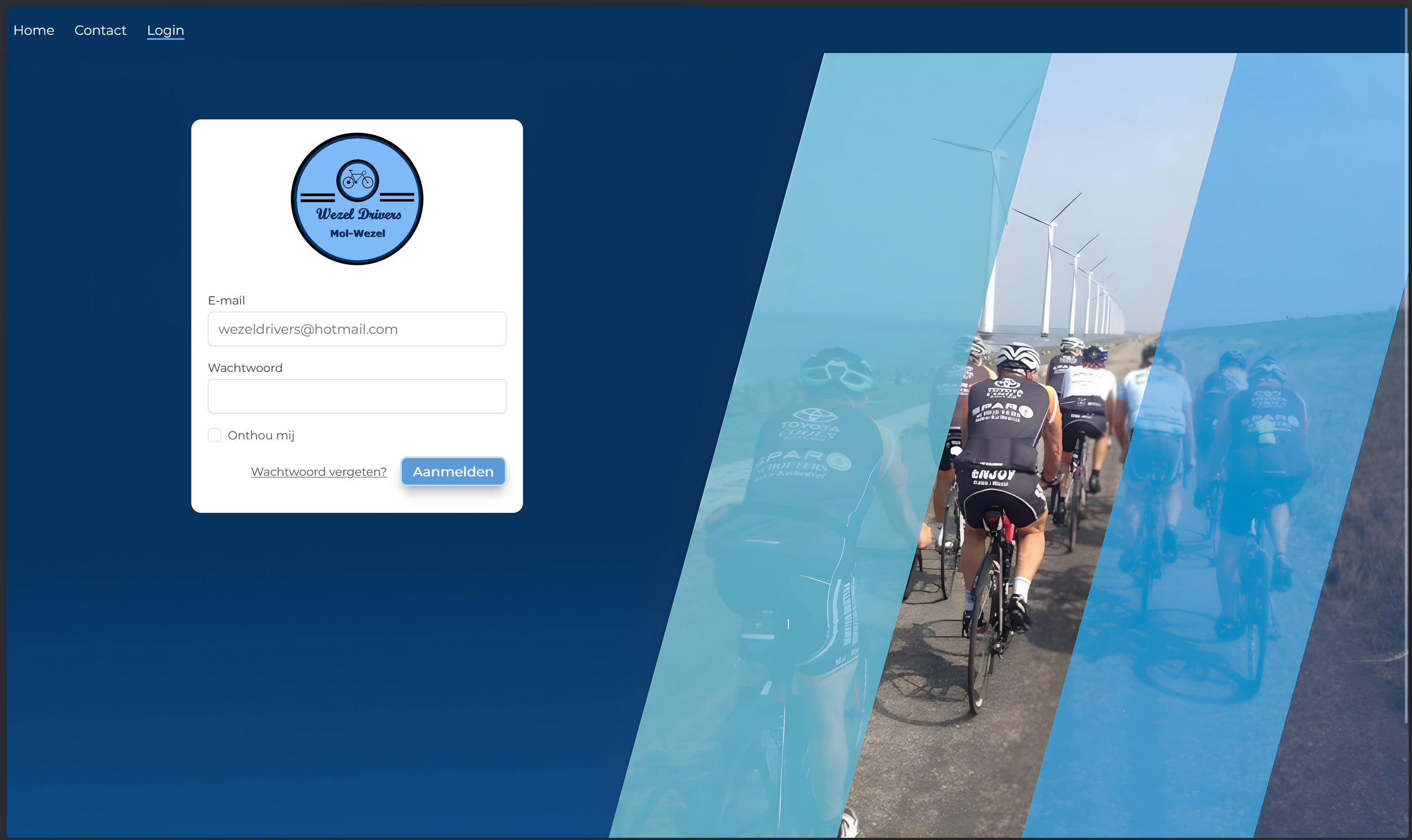
Webapplication that was made for an amateur cycling club.
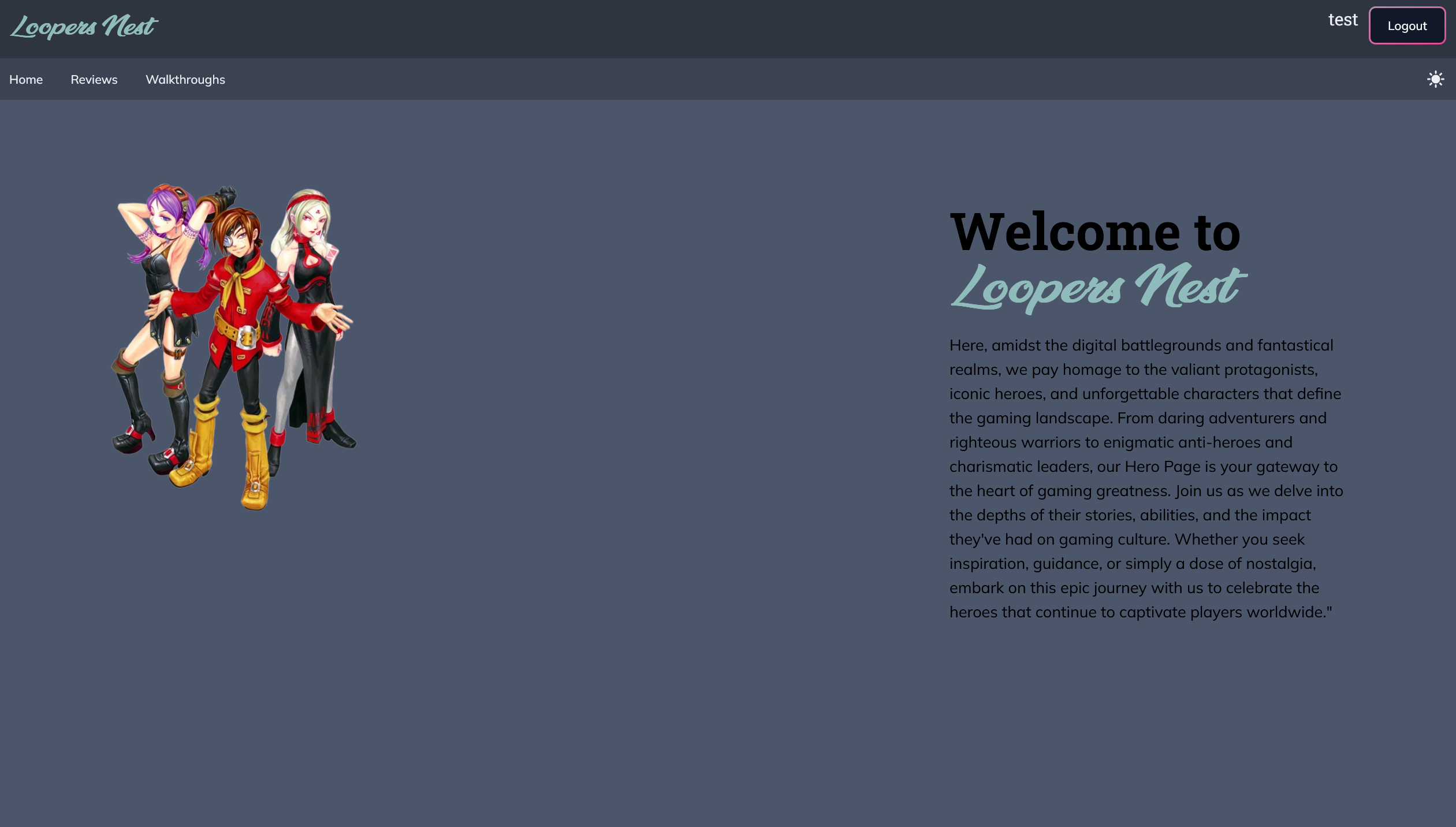
Gaming website where you can read/write and approve reviews/walkthroughs.
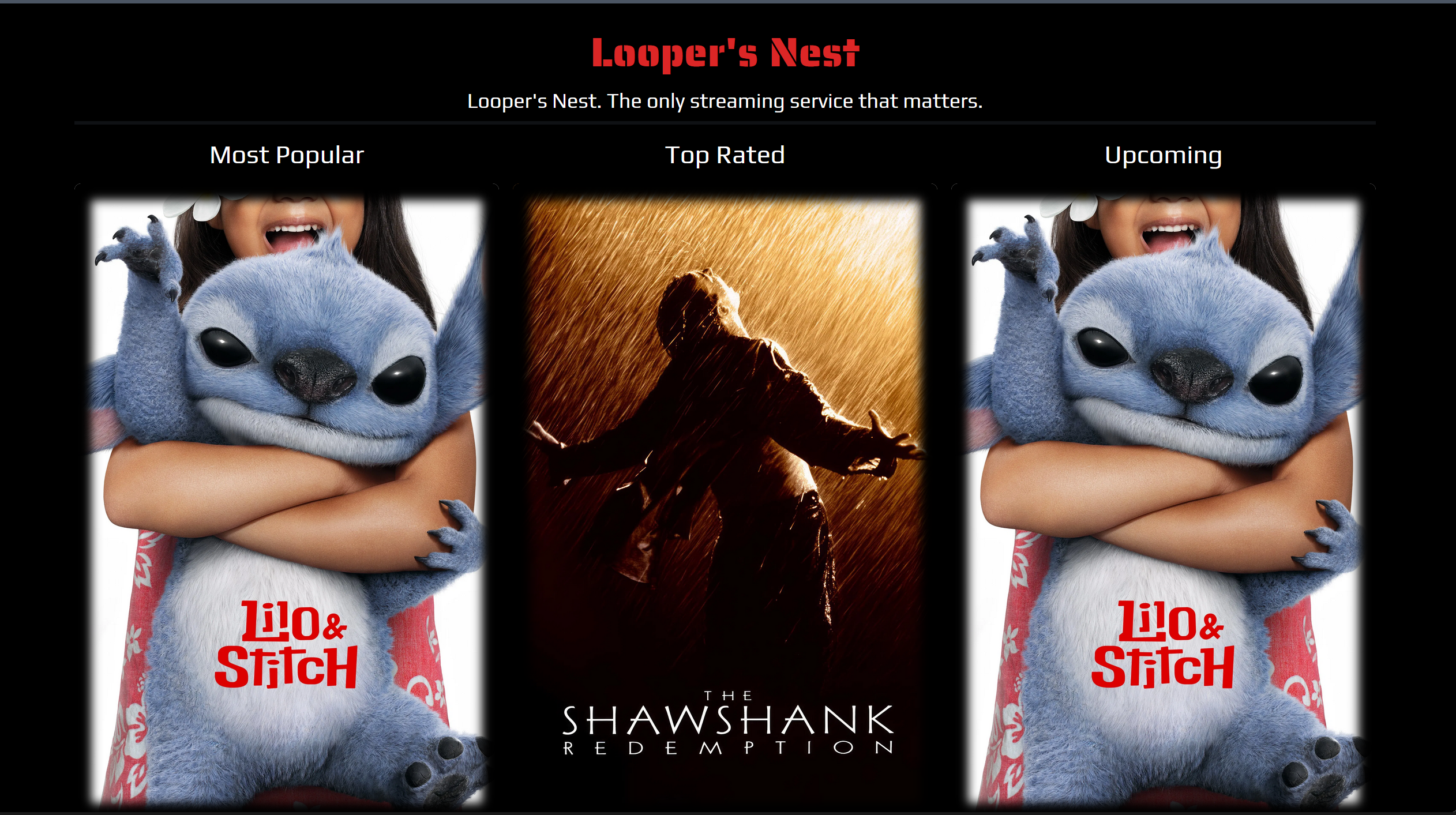
Netflix like application made in PHP.
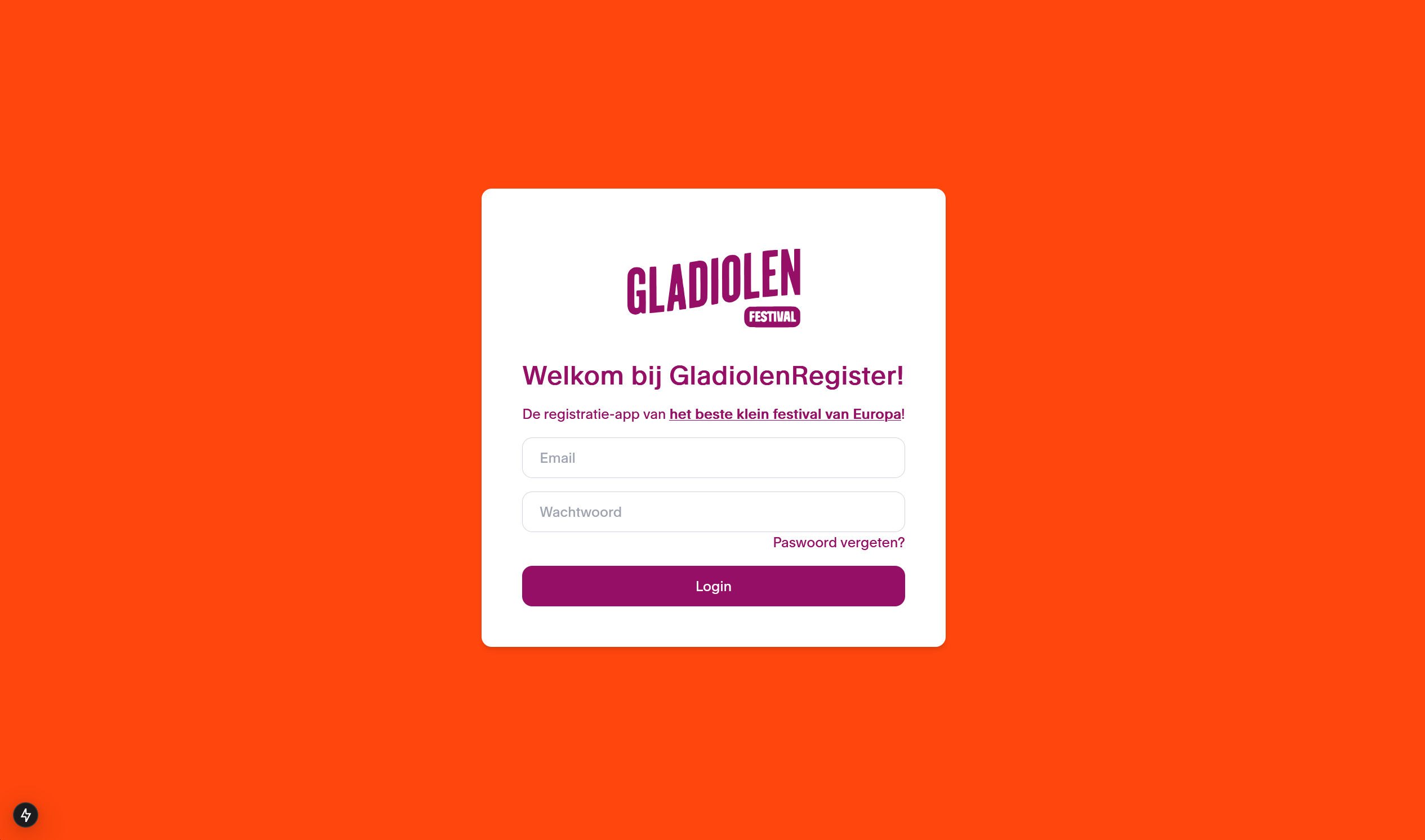
Gladiolen is a small festival in Olen, Belgium. With this app workers can register workhours, unions can order t-shirts and many more
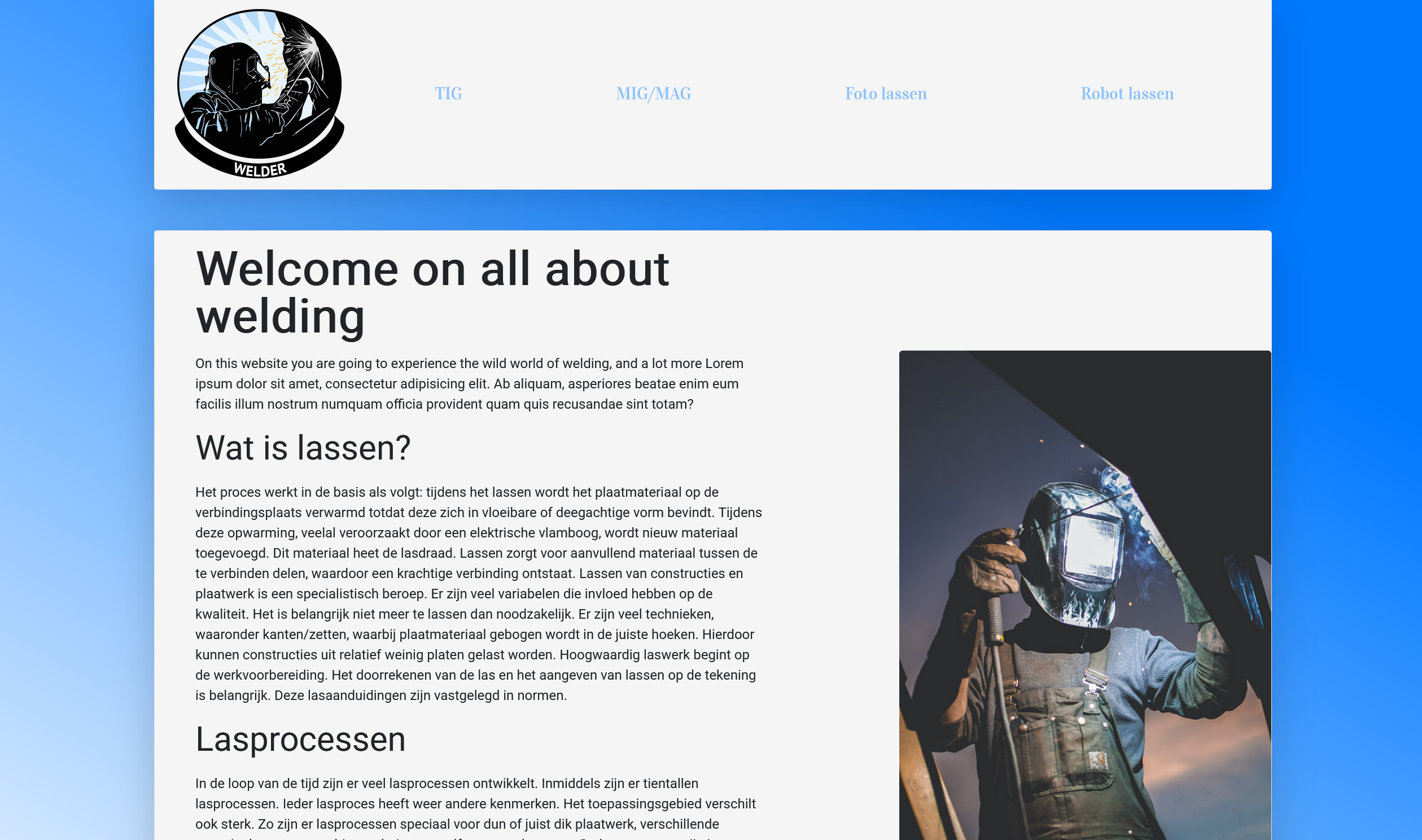
This blog explains everything that has to do with welding